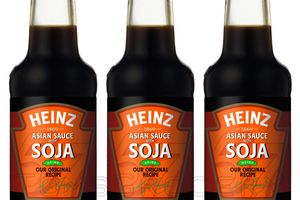
Quick Verdict: Contains gluten — avoid
Traditional soy sauce is fermented from soybeans AND wheat — so standard soy sauce contains gluten. The good news: tamari (wheat-free soy sauce) and coconut aminos are delicious, safe alternatives that taste nearly identical.
Nutrition Facts
Per 100g serving
NOT Gluten-Free (use tamari) — measured at Wheat-based (contains gluten) (FDA GF threshold is <20 ppm).
Vitamins & Minerals
Soy sauce hides in: marinades, teriyaki sauce, salad dressings, stir-fry sauces, instant noodles, and many Asian restaurant dishes. Always ask — most restaurants use regular soy sauce.
GF Brands to Look For
Safer alternatives: Tamari (best taste match), coconut aminos (sweet + soy-free), Bragg Liquid Aminos, or GF-certified soy sauces.
Common Questions
Is soy sauce gluten-free?
Traditional soy sauce is made from fermented soybeans AND WHEAT — so regular soy sauce is NOT gluten-free. Use tamari (which is usually wheat-free) or a labeled GF soy sauce.
What is tamari?
Tamari is a Japanese soy sauce made with little or no wheat. Most tamari brands are gluten-free — check the label, some contain wheat too.
Is coconut aminos gluten-free?
Yes — coconut aminos is a soy-free, gluten-free soy sauce alternative made from coconut sap. Slightly sweeter, great for GF kitchens.
Is soy sauce in sushi gluten-free?
No — the soy sauce served with sushi is regular soy sauce with wheat. Ask for tamari or bring your own GF soy sauce.