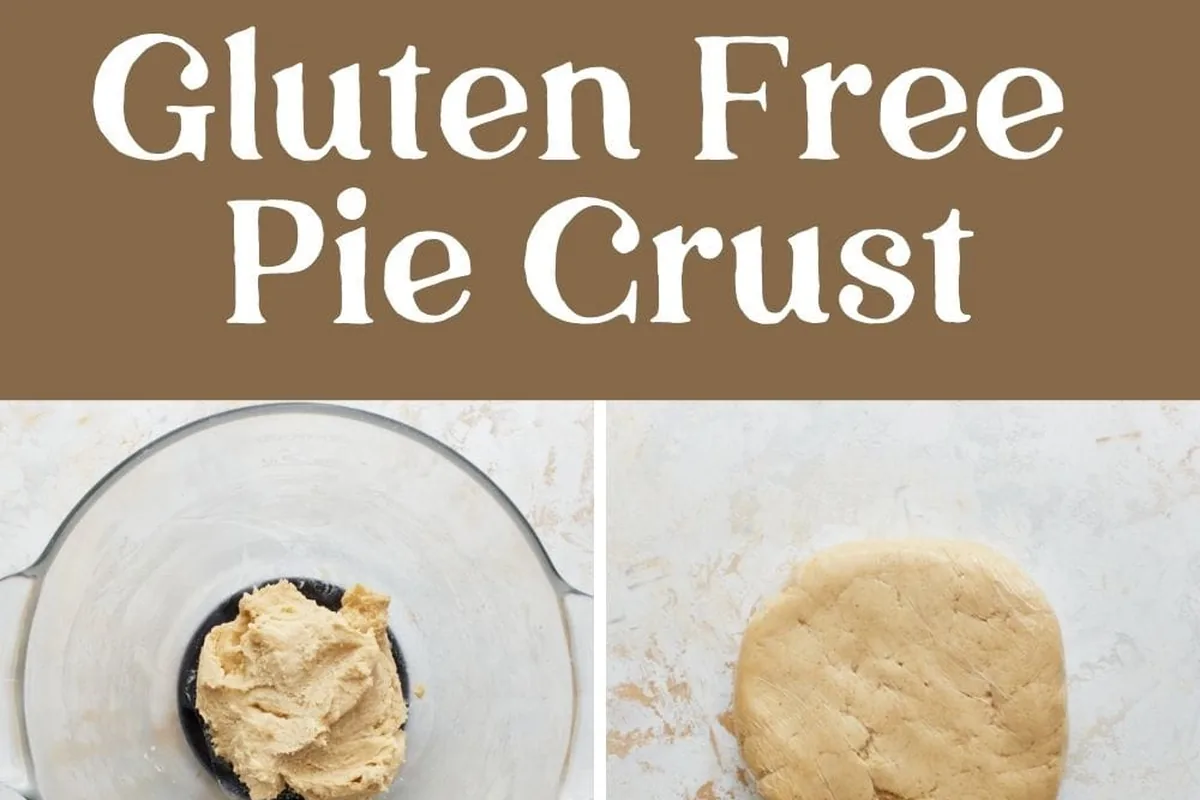
Why This Recipe Works
Ask any gluten-free baker what they miss most and pie crust is always near the top of the list. The store-bought gluten free pie crust shells are dry, crumbly, and taste like cardboard. Homemade attempts often crack when you roll them, fall apart when you lift them, or bake up tough as a tire. A truly flaky, buttery gluten free pie crust can feel impossible - but it is not. It just needs the right blend, a little patience, and one or two tricks most recipes never mention.
The first trick is xanthan gum. Wheat flour has gluten to hold pastry together; gluten-free flour has nothing - so a crust made without a binder crumbles the moment you cut into it. With 1 tsp of xanthan gum (or a blend that already includes it), the dough rolls out smoothly and holds together through baking, slicing, and serving.
The second trick is temperature discipline. A great crust is made of cold butter, cold water, and a cold dough that hits a hot oven. Those flat flakes of butter melt into steam pockets while the crust bakes, and that steam is what creates layers you can actually see. Skip the chilling and you get a dense, greasy disc instead of a flaky shell.
This recipe makes a tender, golden crust that works for sweet and savory pies alike: apple, pumpkin, quiche, chicken pot pie, you name it. It rolls out between parchment sheets with zero sticking, patches easily if it ever cracks, freezes for months, and tastes like real pastry - because it is. Your Thanksgiving pie just found its crust.
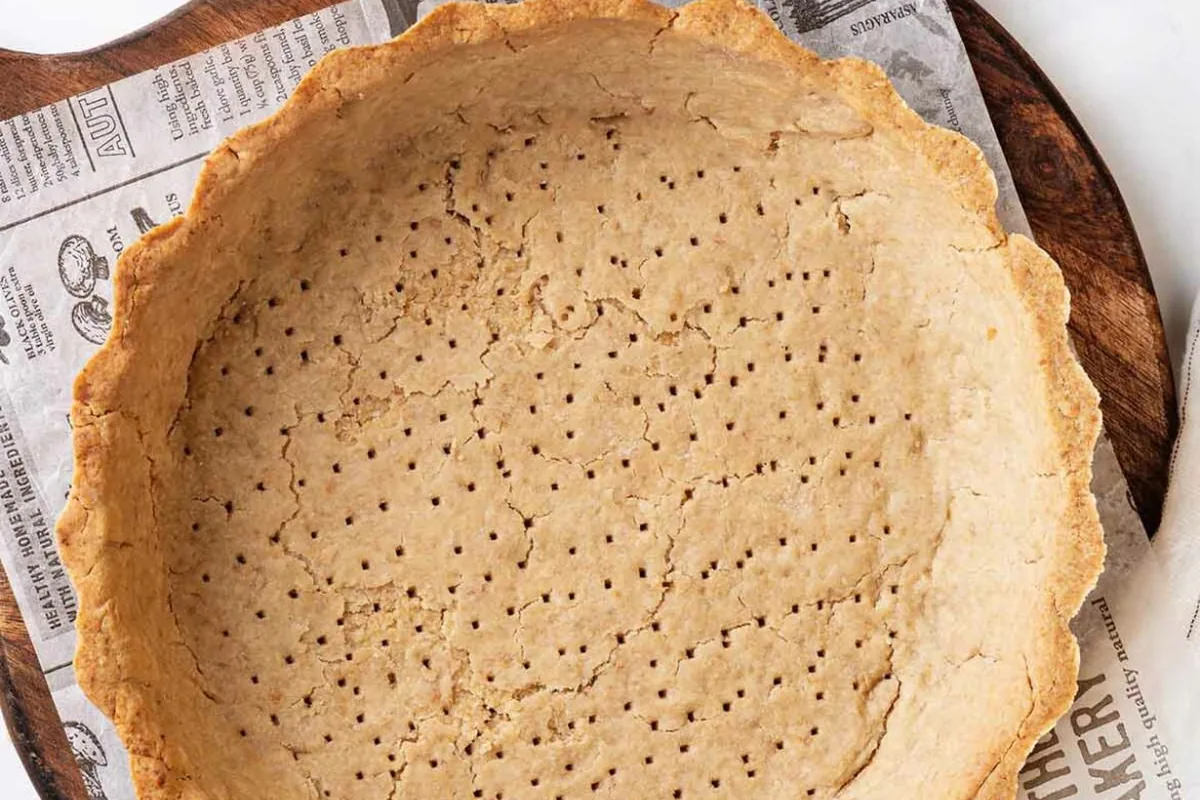
What You Need for a Gluten Free Pie Crust
The flour blend is the single biggest decision. Use a 1:1 gluten-free all-purpose blend that already contains xanthan gum - King Arthur, Bob's Red Mill, and Cup4Cup all work beautifully. If your blend has no gum, add 1 tsp xanthan gum to the dry ingredients yourself. That one teaspoon is the difference between a crust that slices clean and a crust that shatters.
The butter matters too. Use real unsalted butter, straight from the fridge, cut into small cubes. If you are dairy-free, cold vegan butter sticks work - but not the soft tub spreads, which are too watery for pastry. Keep every ingredient cold, including your mixing bowl if you can manage it.
Finally, give yourself time. The dough needs at least 1 hour to chill, and the lined pie dish needs 30 more minutes before it bakes. None of it is hard work - it is just waiting - but the waiting is what makes the crust flaky instead of tough. Start the dough the night before and the whole process feels effortless.